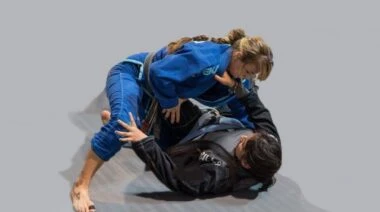
Avoid Burnout On The Way To Your BJJ Black Belt
Brazilian Jiu - Jitsu Training: Strategies for Sustainable Progress
The Culture of Intensive Training in Brazilian Jiu - Jitsu
In the realm of Brazilian Jiu - Jitsu culture, athletes are strongly encouraged to engage in extensive training. Typically, they train Jiu - Jitsu every evening, complemented by morning weight - lifting sessions, or vice versa. This routine amounts to at least five to six days a week with a minimum of two training sessions per day.
Recognizing the Signs of Overtraining
Despite adhering to such a rigorous training regimen, some athletes may find themselves not making the expected progress. Common symptoms include:
Lack of Explosive Power: Failing to generate the necessary force during maneuvers.
Poor Timing: Incorrectly executing techniques at sub - optimal moments.
Persistent Fatigue: Feeling constantly tired, even after adequate rest periods.
Difficulty in Retaining Information: Struggling to remember and apply the taught techniques.
If these symptoms are present, it is highly likely that the athlete is overtraining. In fact, many chronically overtrained athletes experience these issues, often compounded by frustration over their inability to lose weight despite intense training.
The Demands of Brazilian Jiu - Jitsu on the Nervous System
Brazilian Jiu - Jitsu is a multifaceted sport that places significant stress on the nervous system. It involves the continuous activation of numerous muscle groups, encompassing both large - scale and minute, nuanced movements. For instance, gym - based rolling can last up to eight minutes, and black - belt matches extend to ten minutes. This requires a high level of muscular endurance and cardiovascular fitness to exhibit explosive movements within the given time frame. As such, all energy systems are engaged at various stages of the sport.
Relaxing and Repairing the Central Nervous System
To combat the effects of overtraining, several recovery methods can be employed, such as ice baths, meditation, and maintaining a balanced diet. However, deep sleep is among the most effective ways to address overtraining. It allows the central nervous system to relax and initiate the repair process. It is crucial to understand that the nervous system has a longer recovery time compared to other systems like the muscular system. The nervous system influences slow muscle firing, which in turn impacts:
Reaction Time: The speed at which an athlete can respond to stimuli.
Speed: The velocity of movements during a match.
Grip Strength: Essential for maintaining control during grappling.
Explosive Power: The ability to generate sudden, intense force.
Ironically, when the nervous system is over - taxed, it becomes difficult to sleep, yet sleep is precisely what the body needs most for recovery during continuous training. Although ice baths, meditation, and good nutrition can mitigate some of the adverse effects of chronic overtraining, training two intense sessions a day may eventually lead to cumulative issues.
Structuring and Periodizing Training
For long - term success in Brazilian Jiu - Jitsu, training must be periodized and structured:
Mat Training: If daily mat training is desired, allocate specific days for intense, hard - hitting rounds and other days for more fluid, flowing rounds. The latter should focus on the technical aspects of the sport.
Strength Training: Strength training should be carried out approximately twice a week, preferably on the days dedicated to flow rolls.
Intensity in Strength Sessions: Each strength training session should be intense and purposeful. Afterward, allow the body sufficient time to recover. Avoid mindless gym sessions where you merely go through the motions; instead, push yourself to achieve real gains.
Choosing Exercises That Mimic Movement Patterns
The bodybuilding approach to weight - lifting, which aims primarily at building large muscles, may not be suitable for Brazilian Jiu - Jitsu athletes. These athletes require compound movements that engage multiple muscle groups simultaneously for coordination, as well as core - strengthening exercises for balance, power, speed, and muscular endurance. The key is to get creative and mimic BJJ movement patterns as closely as possible.
Circuit - Based Workouts: Performing exercises in a circuit - based format with minimal rest intervals is ideal for building muscular endurance and cardiovascular fitness. Focus on full - body movements that activate the core to enhance overall strength.
Rest and Frequency: Limit these intense strength sessions to about two days per week. Additionally, allocate one full day of rest each week to allow the muscular system, nervous system, and joints to recover and rejuvenate. This not only reduces stress levels but also helps in maintaining a lean physique, as chronic overtraining often leads to high stress levels, causing athletes to retain body fat and water.
Training for the Long Term
Most athletes embarking on the Brazilian Jiu - Jitsu journey aim for long - term participation. To achieve continuous progress while keeping the body healthy and strong, it is advisable to train smarter rather than just harder. A recommended schedule is three intense BJJ sessions per week, two intense strength sessions per week, and one full rest day per week. This schedule provides the necessary recovery time to work towards goals without succumbing to fatigue or burnout, ensuring a steady progression towards attaining a black belt.